Monday, March 7, 2022
Coffee at Home: Packaging beans
Saturday, February 19, 2022
Coffee at Home: Are coffee pods problematic?
| Figure 1: Nespresso pods end up in landfills as they are improperly disposed of. Image source: Huntsdale, 2019. |
Wednesday, February 16, 2022
Coffee to Go: The Disposable Replacement
Takeaway cups provided by cafes are typically made of paper or plastic for practical reasons. Perhaps, the biggest reason being their cost-effectiveness. However, in a cafe's pursuit of cost savings, it brings about a larger opportunity cost: the increasing amount of waste generated that, in the grand scheme of things, pollute the different spheres of the Earth. In the previous series, we explored some alternatives to disposable cups usage (biodegradables, reusables etc.). However, each has its own set of problems, like the differentiated waste treatment required, and the low take-up rate for reusable cups. This begs the question: are there other ways to reduce our reliance on disposables, without the need for new technologies?
The simple answer is yes. Like many other sharing platforms that we are familiar with, cup-sharing has been proposed as an alternative to combat our issue at hand. According to Song, Lee and Jung (2020), countries like Germany, some UK countries and South Korea have attempted cup-sharing services, and these services have shown signs of improving the current plight. The article was based primarily on a South Korean University's '0U Cup' cup-sharing program, and their takeaway from the project is that the coffee-to-go scene has to change in order for people's behaviour to change. In other words, cafes have to initiate cup-sharing as a default method of takeaway, and it must be made a trendy effort for the long term success of such sharing services (Song, Lee, & Jung, 2020).
Having a default option (the shared cup) and making the service trendy have to go hand in hand for the cup-sharing to be effective, as people may be repelled by the notion if they are forced to do something, and this is where societal pressure comes in to keep behaviours in check (Croes & Bartels, 2021). This is evident from the high average return rate of 75%, and the fact that cups were generally returned to the cafes deposit box, despite there being other boxes around the campus.
Given the right conditions, cup-sharing services thus seem like a viable alternative to disposable cups as it saves the cost of restocking disposable cups whenever they run low, and also reduce wastes littered around public spaces and accumulating in landfills. While the cup-sharing service mentioned was only a mini campus project, it would certainly benefit the environment should it be expanded to a wider scale.
Friday, February 4, 2022
Ways to reduce coffee pollution: Composting
The time to reduce coffee pollution is not confined to its production stage. After brewing a cup of joe, the next likely course of action would be to throw the coffee grounds (CG) away. However, these CG, being organic, releases methane upon decomposition, which has a warming effect 84 times higher than that of carbon dioxide (Vaidyanathan, 2015). So what can we do to prevent such pollution?
A quick Google search would most probably direct us to compost CG as they contain potassium and nitrogen that are essential to plant growth. CG can also aerate soils and improve soil drainage, which can improve the roots ability to uptake water and nutrients.
![]() |
| Image 1: Some benefits of using CG as fertilizer. Source: The Spruce, 2021 |
A quick guide to starting composting can be found here. The article in the link basically summarises three different ways to use CG as fertilizers.
Going with the compost pile method would be the safest and most economical route. However, if one decides to add CG directly to the soil, a note of caution would be to avoid adding excessive grounds. Excessive grounds can cake up and prevent water from infiltrating the soil, thereby dehydrating the plants instead of helping them to grow. One may also decide on a compost system, which generally involves purchasing decomposers, which personally can be a little expensive or repulsive.
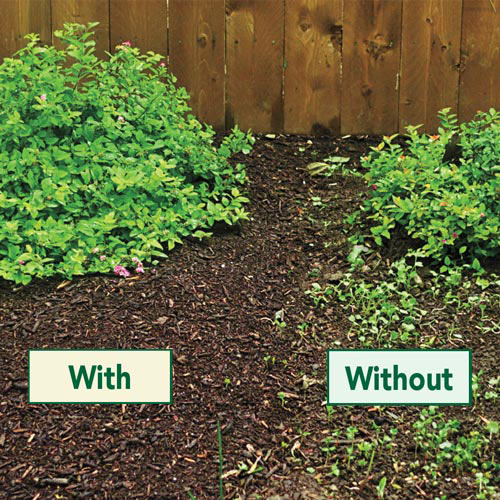
While composting helps in recycling CG, some have advised against using CG as fertilizers as they can be acidic, and they contain caffeine, which may be detrimental to plant growth (Besemer, 2021). However, spent CG are almost pH neutral and according to trees.com, the caffeine content is less harmful to mature plants than seedlings. This suggests that with proper knowledge on the dos and don'ts, CG as fertilizers can be largely beneficial to our plants at home, and we can save money on fertilizers while reducing pollution.
![]() |
| Image 2: Plants with (left) and without (right) the use of CG fertilizer. Source: Sacha, 2018 |
Overall, before we start composting, it is best to read up on the good practices and plan out our composting methods. With the proper techniques and enough support for coffee composting, perhaps pollution levels can dip, even just by a little.
Coffee to Go: Single use plastic straws
Guilty of using plastic straws for your chilled coffee? Even if you are not, many others are. Single-use plastic straws were found to be the...
-
Pesticides are commonly used in conventional coffee plantations as farmers want to prevent infestations in their farms, which are costly and...
-
Dairy milk tends to be the default option for white coffees. However, in 2019, there has been a 37% decrease in dairy milk consumers since t...
-
Takeaway cups provided by cafes are typically made of paper or plastic for practical reasons. Perhaps, the biggest reason being their cost-e...
/using-coffee-grounds-in-your-garden-2539864_FINAL-025580b008314747ad1a5d6411baf988.png)