Showing posts with label strategies. Show all posts

Saturday, March 12, 2022

Ways to reduce coffee pollution: Improve sewage treatment facilities and adopt bioengineering

In a previous post, we discussed the common wastewater treatment methods to remove harmful chemicals from coffee affluence to reduce the pollution in water bodies. Similarly, we would be exploring sewage treatment facilities again, but for a different purpose - human waste.

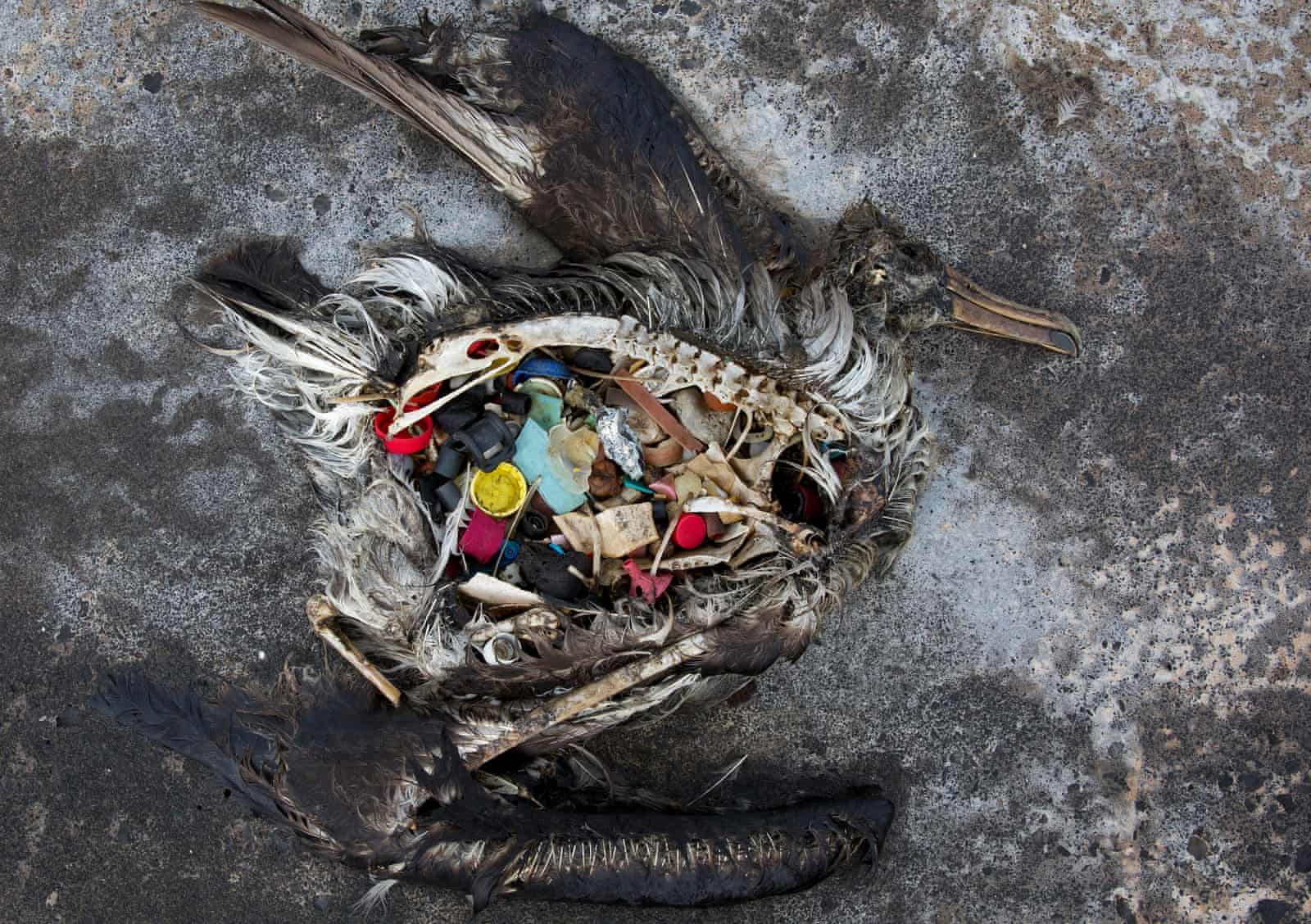
If you think that coffee stops polluting the Earth after the post-processing phase; when it is shelved, brewed; thrown away, think again. A pollutant, that most people are addicted to, continues to reside within the human body and enters the water systems through the sewage systems when we use the toilet (Mowbray, 2022). This pollutant is none other than caffeine.

Caffeine has been termed as an emerging contaminant, which means that it can have "lethal impacts on human and wildlife endocrine systems, even if available at trace quantities" (Antunes et al., 2021). While Raj et al. (2021) found that the existing waste treatment facilities can remove between 64-100% caffeine from wastewaters, the wide range suggests that in many circumstances, caffeine can still escape the treatment process and into the waterways. As such, what are the available solutions to prevent disturbances in the ecosystem caused by caffeine discharge?

The video below briefly discusses the impacts of pollution caused by the caffeine expelled by humans, its impacts on the environment, along with some suggestions to reduce the caffeine discharged via the sewage systems:

Some key points include:
  • Outdated or incapability of wastewater treatment facilities to fully remove the caffeine content in human waste.
  • Climate change overwhelming sewage flows, which results in caffeine contaminated waters to spread even in the terrestrial ecosystems, negatively impacting human, animal, and plant health.
  • Expanding and upgrading wastewater treatment plants and stormwater storage are viable solutions, but they require years before they are operational.
  • Use nature-based solutions to detoxify wastewaters instead can be more effective and are quicker to implement.
Of interest is the final point. Nature-based solutions involve bio-engineering techniques to sieve out nutrients in the waters, typically with the help of plants, before the waters enter the waterways. While the video suggested plant-based solutions like rain gardens to purify and recycle waters, such solutions must still be carefully considered as the effects of caffeine on plants are still ambiguous (Diaz, n.d.; Mahaney, 2019).

Overall, careful planning and adequate time are key to implement both nature-based and man-made solutions to remove caffeine from wastewaters, to prevent pollution in the waterways, which could harm the health of those who dwell on Earth.

Saturday, March 5, 2022

Coffee Farming: Pests begone

Pesticides are commonly used in conventional coffee plantations as farmers want to prevent infestations in their farms, which are costly and cumbersome to resolve. However, the reliance on pesticides can degrade the environment and be harmful to human health. 

Pests come in the form of insects and fungal diseases. While the best way to combat fungi is prevention, removing moist or rotting elements (dead wood, overwatering etc.), and copper spraying, farmers typically use pesticides that contain a mix of cypermethrin, deltamethrin, chlorpyrifos, carbaryl and malathion to remove insects (Boyd, 2015).

The chemicals in the pesticides are harmful to the environment in the following ways:

Chemical

Harm

Cypermethrin and deltamethrin

Highly toxic to fishes, bees, and aquatic insects. However, the chemicals are short-lived (generally less than a month) and have low volatility in soils (NPIC).

Chlorpyrifos

Highly toxic to birds, bees, and aquatic life. Chlorpyrifos can remain in soils or surfaces for up to months and can be transported to long distances when eroded into water bodies, or bioaccumulated in animals (NPIC).

Carbaryl

Highly toxic to earthworms, bees, and some aquatic life. Depending on the physical conditions, carbaryl can take from days to months to break down completely. While carbaryl is not as toxic as the previous chemicals, it is highly volatile in soils and water surfaces (NPIC)

Malathion

Highly toxic to bees, some beneficial insects, and some aquatic life. Its residence time and volatility are like the carbaryl’s. However, malathion is also highly volatile in the air (NPIC).


In light of the impacts that these pesticides can bring to the environment, organic certifications (examples), have been introduced to promote sustainability in coffee farms. Surprisingly, despite the lack of pesticide use in organic coffee plantations, these plantations have a 6-15% less chance of being infested by pests. A director of an organic coffee farm, Juan Vargos, explained that such positive results were due to preventive measures, using composts and hard manual labour (Perfect Daily Grind, 2019).

Overall, pesticides undoubtedly pollute the environment. An option to reduce pollution can be to go organic. However, whether farmers opt to use pesticides depend on considerations like the cost and labour involved.

Monday, February 21, 2022

Ways to Reduce Coffee Pollution: Biogas in Ethiopia

Wet or dry, coffee husks are bound to be removed during the cherry's processing stage. As one of the largest countries generating coffee husks, Ethiopia typically found coffee husks useless and dispose of them in the waterways, thereby introducing toxic substances into the environment, like caffeine and tannin. But are coffee husks really useless?

Du et al. (2021) seemed to suggest otherwise. According to their article, if coffee husks are properly utilised, they are found to have a high potential to produce biogas, which can be used as a renewable energy source. Currently, Ethiopia is highly reliant on biofuel for energy, and wood alone make up 69% of its biofuel source (Benti et al., 2021). While wood was seen as a renewable energy source in the 2000s, it was later found that biofuels may be releasing more carbon instead, due to deforestation and land-use change (Climate Policy Info Hub), signalling that Ethiopia should find a more sustainable source of energy. Du et al.'s findings will hence be important to build the resilience of Ethiopia's energy sector.

As coffee husks are highly organic, the biogases are produced via the anaerobic digestion of the husks. This will generate methane, carbon dioxide, and a trace amount of other gases. While the products of anaerobic digestion sound dangerous for the environment, these gases would be captured in a facility, which can be used to generate electricity instead of escaping into the atmosphere.

However, the efficiency of biogas as an electricity source is rather low (Damyanova & Beschkov, 2020), suggesting that biogas cannot effectively replace the majority of energy generation in Ethiopia. While the lack of efficiency may seem like a put-off, the energy generated by biogases are still adequate to power small appliances and to use as a heat source. This may be more useful and cost-efficient for the rural communities who require less electricity than the urbanites, anchoring its importance in rural Ethiopia.

Wednesday, February 16, 2022

Are International Guidelines Useful in Preventing Pollution?

In this special titleless series, we explore the methods suggested by the Food and Agricultural Organisation (FAO) to increase coffee yields through sustainable means. 


The video describes 5 key points:
1. More efficient use of resources 
2. Protect the environment from degradation
3. Achieving more resistant coffee crops
4. Integrate other agricultural activities
5. Governmental facilitation

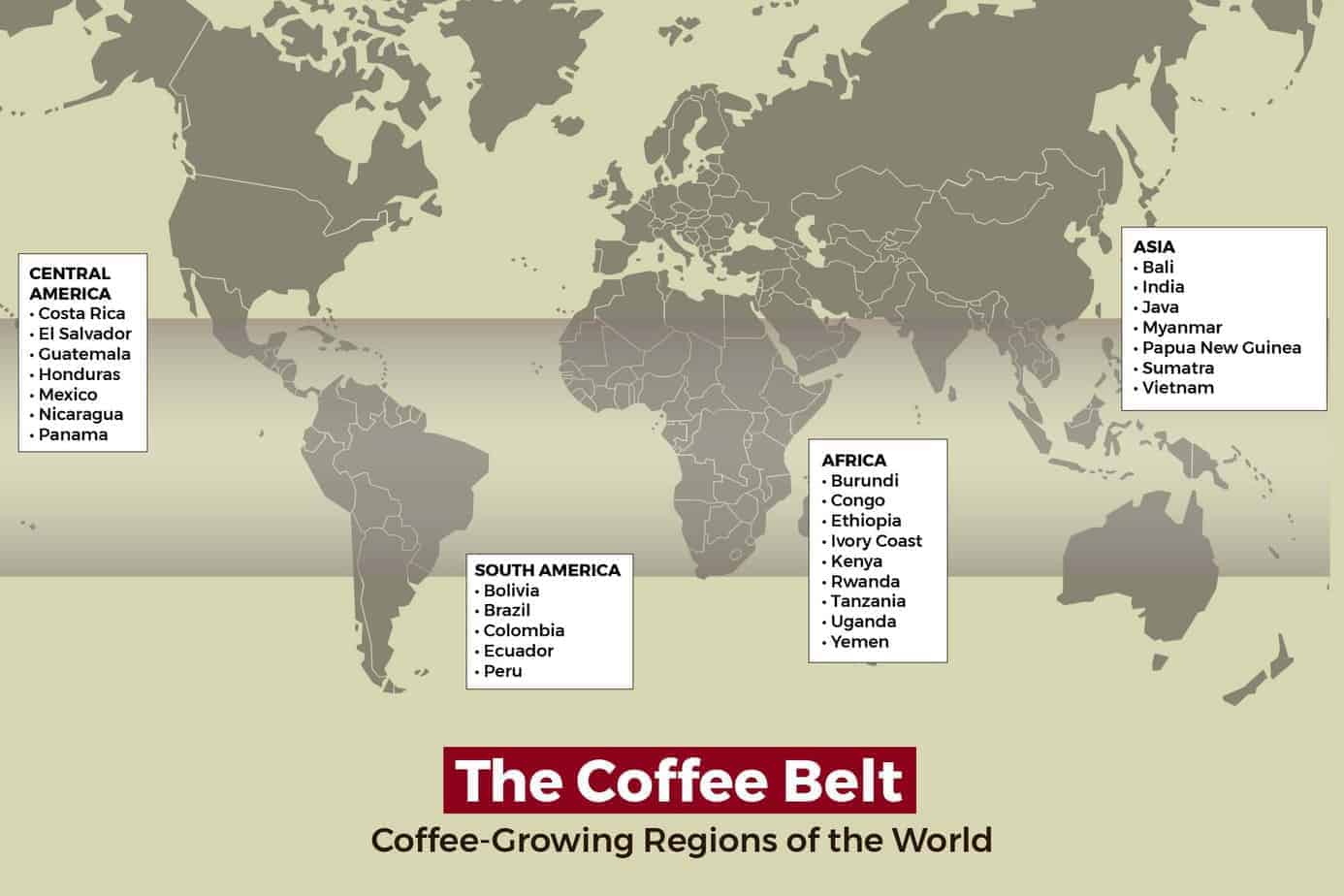
Coffee farms are usually located in developing countries (figure 1). Without discounting the expansive agricultural knowledge that the natives in these countries have, new farming technologies must be taught to the native farmers in order to cultivate coffee plants that are less pollutive or adopt practices that can reduce their carbon footprint. 

Figure 1: Countries found along the coffee belt. Source: Bean Poet


This is where (4.) comes into play. Intercropping, for example, is found to have a positive impact not only on the farmers themselves but also on the environment. In Vietnam for instance, the founder of a high-quality coffee-bean farm actively promotes intercropping as a way to create more carbon sinks, as monocropping is reported to contribute to 70% of the carbon sources in agriculture (Tartarski, 2019). This is further backed by Liu et al. (2016), whose study agreed that diversifying crops can reduce a farm's carbon footprint by up to 315%.

While "talking" is easy, doing is hard. Governmental facilitation is often needed to enforce regulations to reduce pollution throughout the coffee production network. However, such enforcements are not always effective. Coffee farming units in Karnataka for instance, are found to excrete high amounts of pulps and wastewater that are high in biological oxygen demand. Laws were passed to force these plants into adopting a wastewater treatment facility in order to continue operations. However, such intervention increases the cost of production, which induces farmers to exploit the environment in order to recoup their losses (Damodaran, 2002). While this example shows a poorly executed government regulation, hope is not lost as international pressure seem to be a more viable approach to induce positive change in plantations. For example, the farmers' initiatives to reduce chemical use and maintain good environmental conditions, in light of sanitation requirements set by trade countries (Damodaran, 2002).

To answer the overarching question, international guidelines are useful as a compass as they provide vague directions to reach the ideal destination. However, they are not maps, as they do not provide specific directives. In essence, these guidelines are useful when a country's context is considered.

Coffee to Go: The Disposable Replacement

Takeaway cups provided by cafes are typically made of paper or plastic for practical reasons. Perhaps, the biggest reason being their cost-effectiveness. However, in a cafe's pursuit of cost savings, it brings about a larger opportunity cost: the increasing amount of waste generated that, in the grand scheme of things, pollute the different spheres of the Earth. In the previous series, we explored some alternatives to disposable cups usage (biodegradables, reusables etc.). However, each has its own set of problems, like the differentiated waste treatment required, and the low take-up rate for reusable cups. This begs the question: are there other ways to reduce our reliance on disposables, without the need for new technologies?

The simple answer is yes. Like many other sharing platforms that we are familiar with, cup-sharing has been proposed as an alternative to combat our issue at hand. According to Song, Lee and Jung (2020), countries like Germany, some UK countries and South Korea have attempted cup-sharing services, and these services have shown signs of improving the current plight. The article was based primarily on a South Korean University's '0U Cup' cup-sharing program, and their takeaway from the project is that the coffee-to-go scene has to change in order for people's behaviour to change. In other words, cafes have to initiate cup-sharing as a default method of takeaway, and it must be made a trendy effort for the long term success of such sharing services (Song, Lee, & Jung, 2020).

Having a default option (the shared cup) and making the service trendy have to go hand in hand for the cup-sharing to be effective, as people may be repelled by the notion if they are forced to do something, and this is where societal pressure comes in to keep behaviours in check (Croes & Bartels, 2021). This is evident from the high average return rate of 75%, and the fact that cups were generally returned to the cafes deposit box, despite there being other boxes around the campus. 

Given the right conditions, cup-sharing services thus seem like a viable alternative to disposable cups as it saves the cost of restocking disposable cups whenever they run low, and also reduce wastes littered around public spaces and accumulating in landfills. While the cup-sharing service mentioned was only a mini campus project, it would certainly benefit the environment should it be expanded to a wider scale.

Friday, February 4, 2022

Ways to reduce coffee pollution: Composting

The time to reduce coffee pollution is not confined to its production stage. After brewing a cup of joe, the next likely course of action would be to throw the coffee grounds (CG) away. However, these CG, being organic, releases methane upon decomposition, which has a warming effect 84 times higher than that of carbon dioxide (Vaidyanathan, 2015). So what can we do to prevent such pollution?

A quick Google search would most probably direct us to compost CG as they contain potassium and nitrogen that are essential to plant growth. CG can also aerate soils and improve soil drainage, which can improve the roots ability to uptake water and nutrients. 

Image 1: Some benefits of using CG as fertilizer. Source: The Spruce, 2021


A quick guide to starting composting can be found here. The article in the link basically summarises three different ways to use CG as fertilizers. 

Adding CG:
1. directly to the soil
2. into a compost pile
3. into a compost system

Going with the compost pile method would be the safest and most economical route. However, if one decides to add CG directly to the soil, a note of caution would be to avoid adding excessive grounds. Excessive grounds can cake up and prevent water from infiltrating the soil, thereby dehydrating the plants instead of helping them to grow. One may also decide on a compost system, which generally involves purchasing decomposers, which personally can be a little expensive or repulsive.

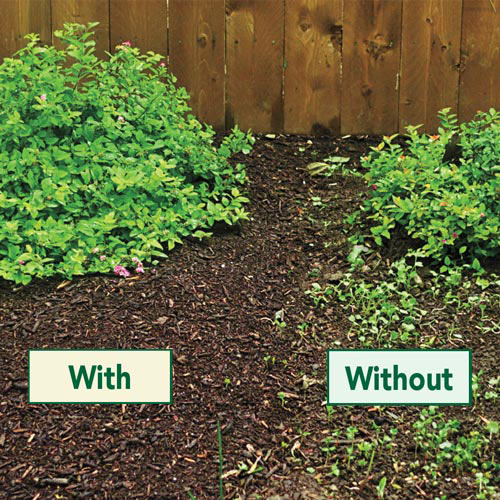
While composting helps in recycling CG, some have advised against using CG as fertilizers as they can be acidic, and they contain caffeine, which may be detrimental to plant growth (Besemer, 2021). However, spent CG are almost pH neutral and according to trees.com, the caffeine content is less harmful to mature plants than seedlings. This suggests that with proper knowledge on the dos and don'ts, CG as fertilizers can be largely beneficial to our plants at home, and we can save money on fertilizers while reducing pollution.

Image 2: Plants with (left) and without (right) the use of CG fertilizer. Source: Sacha, 2018

Overall, before we start composting, it is best to read up on the good practices and plan out our composting methods. With the proper techniques and enough support for coffee composting, perhaps pollution levels can dip, even just by a little.

Wednesday, February 2, 2022

Ways to reduce coffee pollution: Animal feed

Repurposing the waste generated from coffee is nothing new (Donkoh et al., 1988). Owing to heightened sustainability efforts, repurposing coffee pulps has gain more attention in the recent years. One way is by incorporating them into animal feed.

Research are conducted to understand the inclusion of dehydrated coffee pulps (DCP) into animal feed. Jayeola et al. (2020) found promising results, whereby DCP have the potential to replace 20% of commercial feed for dairy cows and 15% for pigs without detrimetnal side effects to these animals. Bouafou et al. (n.d.)  echos similar findings for other animals such as poultry and fishes. However, Bouafou cautions against the overuse of DCP as the caffeine and tannine levels will be too high, causing indigestion, resulting in lower yield of animal products, and may be inpallitable to the animals. 

Additionally, DCP is relatively cheap to incorporate into the animals' diets, providing a low cost solution for farmers in developing countries to produce their animal products. Cost effective ways to incorporate DCP include directly adding the dried coffee pulps into the feed and fermenting the pulps into silage. 

Incorporating coffee pulps into animal feed thus seems to be a feasible approach to prevent pollution, as it is accessible to farmers of different income levels, and it prevents the pollutant from entering into the environment. Having said that, farmers who are incline to give the method a go should understand the mechanisms behind making their animal feed to prevent the unintentional consequences mentioned.

Monday, January 31, 2022

Ways to reduce coffee pollution: Common wastewater treatment methods

Wastewater generated coffee processing plants contain high amounts of organic matter and dark coloured pigments that are toxic to aquatic and human lives. While biological treatment types are typically used to treat wastewaters, non-biodegradables in coffee effluents may still hinder the water quality of treated water (Tomizawa et al., 2016). As such, researchers look into combining biological with physicochemical methods to improve the water quality derived from wastewater treatment (Mohamed, 2015; Blanco et al., 2014).

The most common biological method would be the anerobic/aerobic wastewater treatment. Both of which requires bacteria or other micro-organisms to breakdown the organic compound from the wastewater via biological oxidation to form sediments, which can then be removed (Mohamed, 2015). However, it is noted that the process is too time consuming, and requires the effluents to be of a consistent condition for the process to be efficient (Ijanu et al., 2020). Hence, scientists and engineers have explored the possibilities to improve wastewater treatment effectiveness via pairing up with physicochemical methods.

A common physicochemical method is the photon-Fenton process. Based on Dong et al. (2020), a photo-Fenton reaction is a kind of advanced oxidation process, which conventionally combines  Fe2+ ions with H2O2. It was found that this reaction generates a strongly oxiding radical species that can degrade organic pollutants into non-toxic materials, without the need for a harsh environment and special equipment. Notably, this reaction requires a low pH of 2.8 to reach maximum efficiency (O'dowd et al., 2020), making it a less desirable choice for wastewater treaters.

Above are common biological and physicochemical methods to treat coffee wastewater, and of course, the list of effective treatment methods are not limited to these. As each methods have its pros and cons, it is up to the wastewater treatment facility to decide which method best fit the situation they face (e.g. cost of operation, efficiency in removing pollutants).


Saturday, January 22, 2022

Coffee Farming: Strategies in progress

Through proper management of coffee farms, production costs and fertilizer use can be lowered by 36.8% (from Thong et al., 2021). This suggests that the previously explored impacts associated with pollution can be alleviated with appropriate strategies in place. Here, we explore the effectiveness of one such strategy - sustainable certificates (SC) - in combatting the impacts of coffee farming that are associated with pollution.

Similar to our previous findings, Thong cited that environmental pollution is mainly caused by the overuse of chemicals, and the farmers were unwilling to decrease their usage as they believe that it negatively affects their yield and profits (from Thong et al., 2021). A solution devised was the introduction of SCs (from Thong et al., 2018), as such certificates entail useful programmes that educate farmers on sustainable ways of coffee cultivation to employ in their individual farms. For example, 4C's training taught farmers about reducing excessive fertilizer use via irrigation techniques, thereby reducing nutrient pollution to the soils and waters (from 4C). Hence, the incentives gained from achieving the SCs seem to be useful in reducing environmental pollution locally.

Besides environmental pollution, SCs are desirable as they help farmers increase their profits. As mentioned, with training from the different certification organizations, the cost of production of coffee is likely to decrease. Furthermore, as consumers are willing to pay more for sustainable products (from Thong et al. 2018), it suggests that if ceteris paribus holds true, a decrease in production cost and an increase in selling price equates to higher profits. This hence benefits the farmers' livelihoods and the economy.

While beneficial, SCs does have their disadvantages. The World Bank, for instance, observed a slow uptake of the certificates among the farmers, with only 25% coffee certified, compared to other major coffee producers like Brazil (41%) and Columbia (60%) (from the World Bank). The effectiveness of SCs in combatting deforestation is also not well-researched (from Baker, 2012Gaitán-Cremaschi et al., 2018). Hence, suggesting that refinements need to be done to the SC programmes to produce better results.

In this series of Coffee Farming, we briefly answered how coffee farms in Vietnam causes pollution locally and globally, and we wrapped it up by discussing the SC programmes as a strategy to reduce the effects of coffee farming pollution. This series offers only a glimpse into the primary production of coffee. There are still more to be uncovered in the next weeks.

Coffee to Go: Single use plastic straws

Guilty of using plastic straws for your chilled coffee? Even if you are not, many others are. Single-use plastic straws were found to be the...