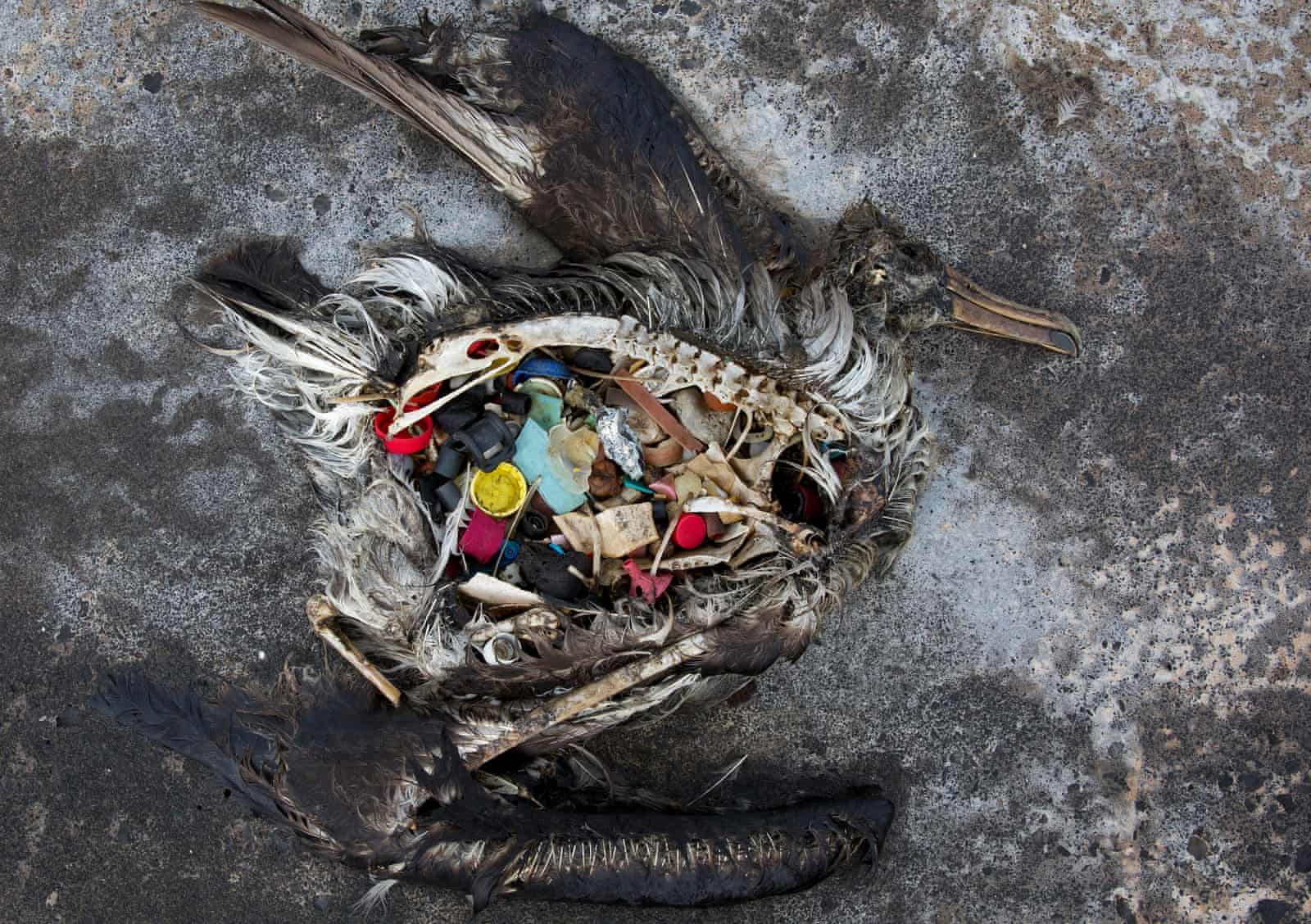
| Figure 1: Nespresso pods end up in landfills as they are improperly disposed of. Image source: Huntsdale, 2019. |
Saturday, February 19, 2022
Coffee at Home: Are coffee pods problematic?
Monday, February 7, 2022
Coffee Farming: Pesticide
Saturday, January 22, 2022
Bean on a Journey: An overview
From a farm to a cup, coffee beans undergo different processes before they are ready for consumption. Throughout these processes, conventional methods of production account for about 15.33kg of carbon dioxide per 1kg of green coffee (from Nab and Maslin, 2020), which is equivalent to the mass of 750 sushis! With more than 100 million bags of 60kg coffee being produced annually, one can only imagine the amount of carbon footprint produced. In this week's series of Bean on a Journey, we start by understanding the flow of coffee production. In the next two parts of the series, we will focus on the wet processing phase, which has recently gained more attention among the coffee community.
Generally, an avid consumer of coffee would understand the flow of production similar to what is shown in figure 1. Based on this knowledge, farming seemed to be understood as the most notorious for pollution due to the chain impacts caused by deforestation and farming processes (from Varcho, n.d.). Such impacts include water pollution from soil erosion and overfertilization, and air pollution from releasing sequestered carbon during deforestation.
| Figure 1: Coffee production process. Adapted from: https://ecoffee.vn/hanh-trinh-ki-dieu-mang-ten-from-farm-to-cup/ |
Other commonly known processes that contribute to pollution are roasting and brewing. During both processes, coffee grounds are usually disposed of as waste. As coffee grounds are organic, they release carbon dioxide and methane when they decompose in landfills, polluting the air, and contributing to global warming.
In between the mentioned processes, is the often-neglected coffee processing phase (refer to figure 2), which has recently risen in prominence due to sustainability efforts. Wet processing, in particular, is subjected to hot debates as it is water-intensive, and accounts for 54% of the water required in the entire production process (from Giraldi-Diaz et al., 2018). This suggests that a high magnitude of pollutants is being released during this process, and as such, garnering more attention to itself over the past few years.
| Figure 2: Detailed flow of coffee production. The red box indicates the processes in question. Adapted from: Giraldi-Diaz et al., 2018 |
Coffee Farming: Strategies in progress
Wednesday, January 19, 2022
Coffee Farming: A global concern
Will more be merrier? Not in the case of Vietnam's coffee plantations. Smallholders in Vietnam have been expanding their plantations for higher profits since the coffee commodity boom in the 1990s (from Hall et al., 2011). Such expansion constituting mega-projects has impacts on the global scale. Hence, we will be broadening our lenses to understand the global impacts of Vietnam's coffee mega-plantations.
Mega-plantations (from Miles and Noboru, 2019) is a concept involving the conversion of large acres of land for the farming of cash crops. This concept (according to Hall et al.) is demonstrated in Vietnam, as smallholders were eager to reap the high profits tagged to the coffee beans. Besides profits, the expansion of farmlands were also driven by unsuitable soil conditions as mentioned in the previous post. Consequently, large-scale deforestation took place, replacing 19% of Vietnam's forest (from D’haeze et al, 2005), and releasing tonnes of sequestered carbon into the atmosphere as carbon dioxide, causing air pollution globally.
| Over 1.1 million hectares of degraded agricultural land in Central Highlands, Vietnam. Image by: Nongnghiep, 2020 |
In addition to mega-plantations, the productivity levels of coffee trees play a subsidary role in contributing to the abovementionned air pollution. Typically, coffee trees only maintain their productivity for 15 to 25 years. Within this timeframe, factors like deteriorating soil conditions and water availability concerns may force smallholders to replant their farmlands or abandon it (from Scherr et al., 2015), resulting in the release of carbon, polluting the atmosphere.
![]() |
| Farmer struggling with drought conditions. Image by: Communicaffe, 2016 |
While skeptics may claim that carbon dioxide is not a pollutant, they are partially right. Carbon dioxide can be categorised as naturally occuring or man-made. Only the carbon dioxide that exist as a result of human activities is considered a pollutant, as it negatively affects the environment and humans via the global warming phenomenon, resulting in undesirable circumstances like extreme weather conditions and impairment of human respiratory health (from Sciencing, 2021).
This second part of the Coffee Farming series explored how the conversion of coffee farms to mega-plantations in Vietnam, and the productivity cycle of coffee trees can cause air pollution, which contributes to the global warming effect. In the last Coffee Farming installment, we will explore the existing measures in place to reduce pollution in coffee plantations.
Sunday, January 16, 2022
Coffee Farming: Problems stemming from localized pollution
Coffee is one of the
most consumed drinks in the world. According to Statista, there is a 13% increase in coffee
consumed worldwide in the past five years, and just last year, more than 9
billion kilograms of coffee had been consumed. While consumers mostly benefit
from the coffee industry, producers of coffee beans are often at the losing
end, as they suffer different damages that accompany coffee production
(from Chanakya and Alwis, 2004; UNEP, 2021). Hence in this first installment of the Coffee Farming series, I would be investigating
the damages experienced by the local coffee plantation workers in Vietnam, as a result of
pollution during farming.
This week, we will be discussing the origins of kopi - a traditional cup of coffee that many Singaporeans recognize. As such, we will focus on Vietnam's coffee plantations, which is the largest producer of robusta beans that is essential to a cup of kopi.
According to the United Nations Environment Programme (UNEP), about 80-90% of the robusta beans are produced by multiple smallholders, with the main goal of turning high yields of coffee cherries into profits. The prevalence of unfavourable soil conditions, however, inhibited the smallholders from achieving their goals. While the article aptly identified several causes for the poor soil conditions, emphasis ought to be placed on the smallholders’ lack of agricultural knowledge, which resulted in overfertilization of soils, and hence the low cherry yields. Fertilizers mainly consist of nitrogen and phosphorus, which are known to promote plant growth. As such, it seems justified that farmers associate more fertilizers with higher cherry yields. However, overfertilization causes these nutrients to leach into and pollute the soils, causing the land to be less fertile. This kickstarts a negative feedback loop, as unknowing farmers continue fertilizing the lands in hopes of higher yield. Besides soil pollution, excess nutrients may dissolve and contaminate the waters, endangering people's health and contributing to the 150 million USD damage to the economy. Hence, education on agricultural techniques is essential to prevent further damages on the regional scale.
This first of the Coffee Farming series briefly explored how ignorance towards farming techniques can lead to regional soil and water pollution, which negatively affects the farmers, the people, and the economy in Vietnam. In the next post, we will explore how the farms cause pollution on a global scale, so stay tuned!
Coffee to Go: Single use plastic straws
Guilty of using plastic straws for your chilled coffee? Even if you are not, many others are. Single-use plastic straws were found to be the...
-
Pesticides are commonly used in conventional coffee plantations as farmers want to prevent infestations in their farms, which are costly and...
-
Dairy milk tends to be the default option for white coffees. However, in 2019, there has been a 37% decrease in dairy milk consumers since t...
-
Takeaway cups provided by cafes are typically made of paper or plastic for practical reasons. Perhaps, the biggest reason being their cost-e...