- Outdated or incapability of wastewater treatment facilities to fully remove the caffeine content in human waste.
- Climate change overwhelming sewage flows, which results in caffeine contaminated waters to spread even in the terrestrial ecosystems, negatively impacting human, animal, and plant health.
- Expanding and upgrading wastewater treatment plants and stormwater storage are viable solutions, but they require years before they are operational.
- Use nature-based solutions to detoxify wastewaters instead can be more effective and are quicker to implement.
Saturday, March 12, 2022
Ways to reduce coffee pollution: Improve sewage treatment facilities and adopt bioengineering
Monday, February 21, 2022
Ways to Reduce Coffee Pollution: Biogas in Ethiopia
Wet or dry, coffee husks are bound to be removed during the cherry's processing stage. As one of the largest countries generating coffee husks, Ethiopia typically found coffee husks useless and dispose of them in the waterways, thereby introducing toxic substances into the environment, like caffeine and tannin. But are coffee husks really useless?
Du et al. (2021) seemed to suggest otherwise. According to their article, if coffee husks are properly utilised, they are found to have a high potential to produce biogas, which can be used as a renewable energy source. Currently, Ethiopia is highly reliant on biofuel for energy, and wood alone make up 69% of its biofuel source (Benti et al., 2021). While wood was seen as a renewable energy source in the 2000s, it was later found that biofuels may be releasing more carbon instead, due to deforestation and land-use change (Climate Policy Info Hub), signalling that Ethiopia should find a more sustainable source of energy. Du et al.'s findings will hence be important to build the resilience of Ethiopia's energy sector.
As coffee husks are highly organic, the biogases are produced via the anaerobic digestion of the husks. This will generate methane, carbon dioxide, and a trace amount of other gases. While the products of anaerobic digestion sound dangerous for the environment, these gases would be captured in a facility, which can be used to generate electricity instead of escaping into the atmosphere.
However, the efficiency of biogas as an electricity source is rather low (Damyanova & Beschkov, 2020), suggesting that biogas cannot effectively replace the majority of energy generation in Ethiopia. While the lack of efficiency may seem like a put-off, the energy generated by biogases are still adequate to power small appliances and to use as a heat source. This may be more useful and cost-efficient for the rural communities who require less electricity than the urbanites, anchoring its importance in rural Ethiopia.
Friday, February 4, 2022
Ways to reduce coffee pollution: Composting
The time to reduce coffee pollution is not confined to its production stage. After brewing a cup of joe, the next likely course of action would be to throw the coffee grounds (CG) away. However, these CG, being organic, releases methane upon decomposition, which has a warming effect 84 times higher than that of carbon dioxide (Vaidyanathan, 2015). So what can we do to prevent such pollution?
A quick Google search would most probably direct us to compost CG as they contain potassium and nitrogen that are essential to plant growth. CG can also aerate soils and improve soil drainage, which can improve the roots ability to uptake water and nutrients.
![]() |
| Image 1: Some benefits of using CG as fertilizer. Source: The Spruce, 2021 |
A quick guide to starting composting can be found here. The article in the link basically summarises three different ways to use CG as fertilizers.
Going with the compost pile method would be the safest and most economical route. However, if one decides to add CG directly to the soil, a note of caution would be to avoid adding excessive grounds. Excessive grounds can cake up and prevent water from infiltrating the soil, thereby dehydrating the plants instead of helping them to grow. One may also decide on a compost system, which generally involves purchasing decomposers, which personally can be a little expensive or repulsive.
While composting helps in recycling CG, some have advised against using CG as fertilizers as they can be acidic, and they contain caffeine, which may be detrimental to plant growth (Besemer, 2021). However, spent CG are almost pH neutral and according to trees.com, the caffeine content is less harmful to mature plants than seedlings. This suggests that with proper knowledge on the dos and don'ts, CG as fertilizers can be largely beneficial to our plants at home, and we can save money on fertilizers while reducing pollution.
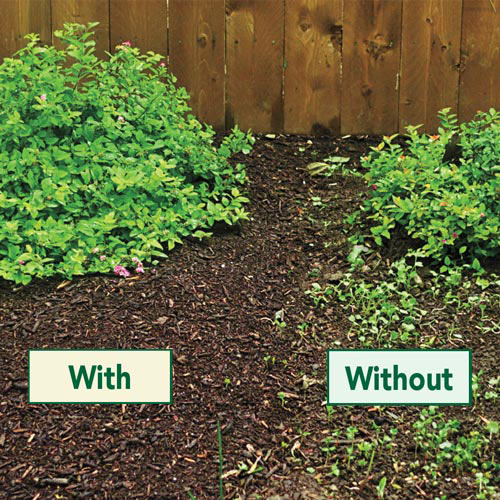
![]() |
| Image 2: Plants with (left) and without (right) the use of CG fertilizer. Source: Sacha, 2018 |
Overall, before we start composting, it is best to read up on the good practices and plan out our composting methods. With the proper techniques and enough support for coffee composting, perhaps pollution levels can dip, even just by a little.
Wednesday, February 2, 2022
Ways to reduce coffee pollution: Animal feed
Repurposing the waste generated from coffee is nothing new (Donkoh et al., 1988). Owing to heightened sustainability efforts, repurposing coffee pulps has gain more attention in the recent years. One way is by incorporating them into animal feed.
Research are conducted to understand the inclusion of dehydrated coffee pulps (DCP) into animal feed. Jayeola et al. (2020) found promising results, whereby DCP have the potential to replace 20% of commercial feed for dairy cows and 15% for pigs without detrimetnal side effects to these animals. Bouafou et al. (n.d.) echos similar findings for other animals such as poultry and fishes. However, Bouafou cautions against the overuse of DCP as the caffeine and tannine levels will be too high, causing indigestion, resulting in lower yield of animal products, and may be inpallitable to the animals.
Additionally, DCP is relatively cheap to incorporate into the animals' diets, providing a low cost solution for farmers in developing countries to produce their animal products. Cost effective ways to incorporate DCP include directly adding the dried coffee pulps into the feed and fermenting the pulps into silage.
Incorporating coffee pulps into animal feed thus seems to be a feasible approach to prevent pollution, as it is accessible to farmers of different income levels, and it prevents the pollutant from entering into the environment. Having said that, farmers who are incline to give the method a go should understand the mechanisms behind making their animal feed to prevent the unintentional consequences mentioned.
Monday, January 31, 2022
Ways to reduce coffee pollution: Common wastewater treatment methods
Coffee to Go: Single use plastic straws
Guilty of using plastic straws for your chilled coffee? Even if you are not, many others are. Single-use plastic straws were found to be the...
-
Pesticides are commonly used in conventional coffee plantations as farmers want to prevent infestations in their farms, which are costly and...
-
Dairy milk tends to be the default option for white coffees. However, in 2019, there has been a 37% decrease in dairy milk consumers since t...
-
Takeaway cups provided by cafes are typically made of paper or plastic for practical reasons. Perhaps, the biggest reason being their cost-e...
/using-coffee-grounds-in-your-garden-2539864_FINAL-025580b008314747ad1a5d6411baf988.png)